The Sonic Secrets Behind Destiny 2's Strand Subclass
Destiny 2's Strand subclass comes alive through Bungie's innovative sound design, turning everyday objects into a cosmic web's whisper.
When Guardians first tore reality into shimmering green threads back in 2023, they heard something entirely new. The sound of Strand was not the crackling arc of lightning or the low rumble of void. It was alien, organic, and strangely familiar—a cosmic whisper that felt like it had always been waiting just beneath the surface of Destiny 2.
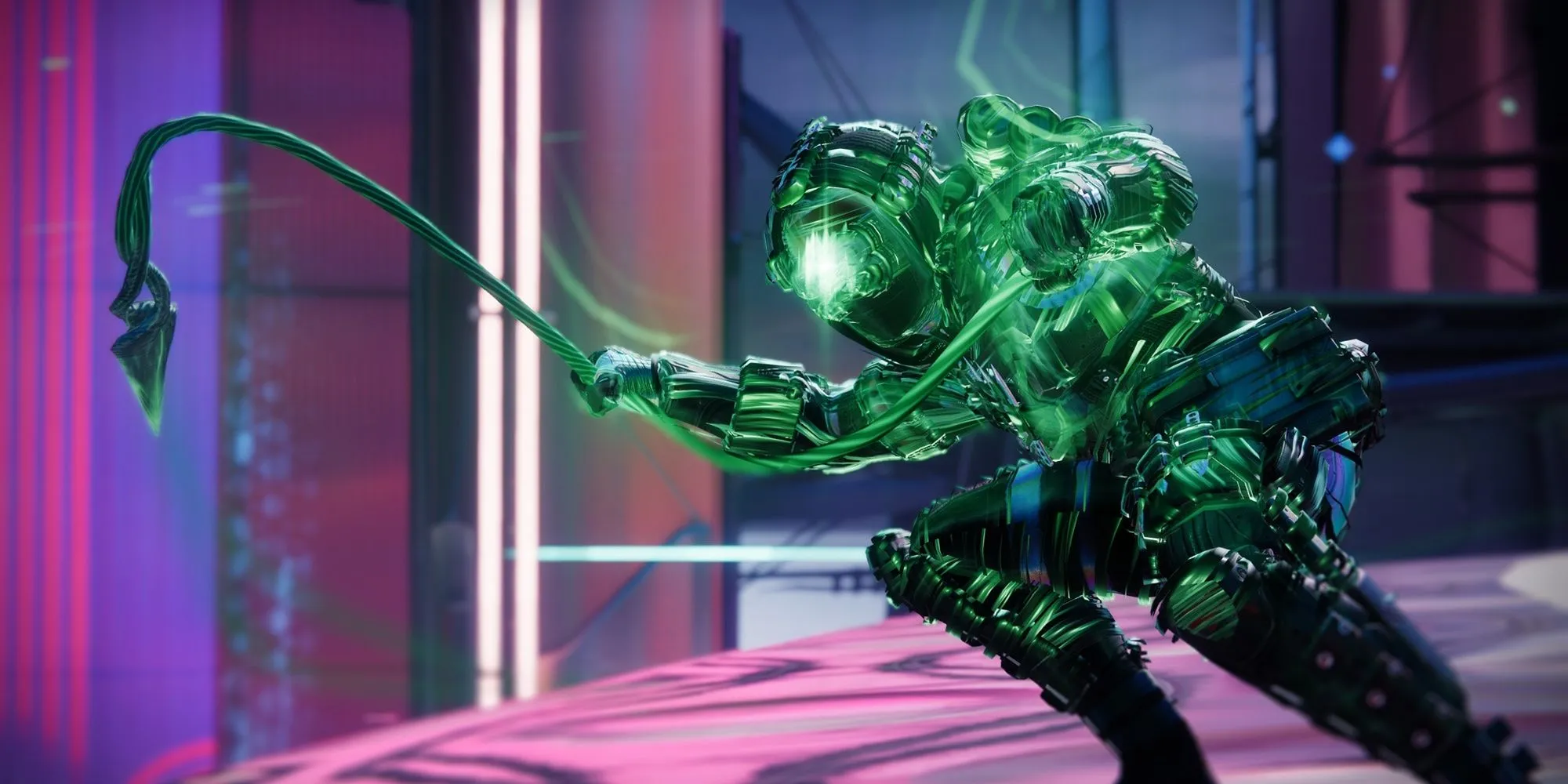
The expansion Lightfall launched on February 28, 2023, and with it came a darkness subclass that broke every mold. Hunters gained the rope-dart super Silkstrike, spinning razor-edged threads in wide arcs. Warlocks manifested Threadlings and mind-bending explosives, while Titans did what Titans do best—they punched, but this time with snarling claws. The color green dominated the UI, a deliberate choice for an element about psychic connections woven through all life. But the true magic lay in what players heard.
Bungie’s audio team faced a singular question: what does a cosmic web sound like? Senior sound designer Paxson Helgesen described it as solving a riddle with no answer. The visual concepts showed glowing filaments, webs, and the tension of invisible strings, so the sound had to convey that pulled, stretched, and almost living texture. “A big part of Strand, looking at the concept art, that we tried to clue into was the idea of cosmic webs,” Helgesen recalled. “What do cosmic webs sound like?”
The journey led the team into uncharted sonic territory. They abandoned synthesized whooshes and embraced everyday objects—then tortured them in wonderfully weird ways. A pair of leather gloves became the rasp of rope sliding through a Guardian’s grip. Fingers dragged slowly over plastic wrap produced eerie squeaks and groans that mapped perfectly to the straining threads of a grenade. Helgesen laughed about “really weird, performative ways” they played with packaging materials, turning a kitchen drawer into a soundstage for an otherworldly force.
Senior sound designer Juan Pablo Uribe revealed the deeper process. “We actually start taking these sounds and combining them together and creating new things that start to sound a little bit more like something that could be put into a game,” he said. Layering and pitch-shifting transformed the mundane into the extraordinary. Electrical tape peeling off plastic wrap became the snap of a Strand whip. A balloon with a ridged object spinning inside gave birth to a distinctive tonal hum—a note that later bled into the Hunter’s Silkstrike super, giving it an audible edge that felt both sharp and hypnotic.
There was a reason for this obsession with authenticity. Strand’s identity depended on staying distinct from the existing subclasses. The dark green color palette already set it apart from solar, arc, void, stasis, and the amber threads of the Drifter’s own experiments. But the soundscape needed equal clarity in the chaos of combat. A Strand grappling hook had to cut through the noise differently than a Striker Titan’s thunderous slam. The solution was to build a library of tension-based audio: strings pulled to breaking point, rubbery creaks, and elastic recoils. Every grenade, melee, and super activation resonated with the physicality of threads snapping into and out of existence.
| Source Object | Sound Created | In‑Game Use |
|---|---|---|
| Leather gloves | Rope sliding and friction | Rope‑dart handling, grappling hook |
| Plastic wrap | Strain and squeak | Threadling grenade, woven mail deployment |
| Electrical tape peeling | Sharp ripping snap | Whip attacks, class ability bursts |
| Balloon + ridged core | Spinning tonal note | Silkstrike super, ambient Strand signature |
Even the ambient hum of a Strand‑charged Guardian carried DNA from household chaos. Uribe noted that the team would “start taking these sounds and combining them together” until layers of plastic crinkle, glove squeak, and balloon whine merged into a single vibrant signature. The result wasn’t noise—it was music. Each class put its own twist on that signature. Hunters sounded lithe and cutting, their rope darts singing through the air. Warlocks resonated with a brain‑tingling shimmer as they summoned Threadlings from the psychic weave. Titans delivered a percussive crunch, as if the very fabric of reality was being shattered by their fists.
When Lightfall finally arrived, the community noticed immediately. Social media lit up with Guardians dissecting the sound design, praising how Strand felt as satisfying to hear as it was to play. The grappling hook alone became a playground of audio feedback: the initial thwip of connection, the taut creak of suspension, and the clean release that let players swing across Neomuna. It all felt weighty, physical, and yet utterly alien—exactly as a cosmic web should.
Years later, in 2026, those sounds are permanently etched into Destiny 2’s DNA. Season after season, new Strand aspects and exotics have layered fresh textures onto the original acoustic blueprint, but the foundation remains the same blend of innovative recording and creative layering. Bungie’s designers still use leather gloves and plastic wrap in their toolkits, a testament to the idea that the most futuristic sounds often come from the most ordinary places. For players, every time a Threadling skitters across the battlefield or a Silkstrike dart twirls toward an enemy, they’re hearing a tiny piece of that development magic—a moment when a balloon gave voice to the cosmos.