The Growing Cry for Destiny 3 in 2026
Destiny 3 and Destiny 2 debates intensify as technical debt and nostalgia drive the community to seek a new beginning for the franchise.
It was a typical Tuesday evening in 2026 when veteran Guardian Alex logged into Destiny 2, expecting the familiar thrill of a raid or a casual stroll through the Tower. Instead, he was greeted by yet another error code, a reminder that the live service infrastructure he had loved for nearly a decade was showing its age. Across the globe, thousands of players shared the same sigh of frustration. The sentiment that had been simmering in forums and Discord servers for months was now boiling over: maybe it was time for a fresh start.
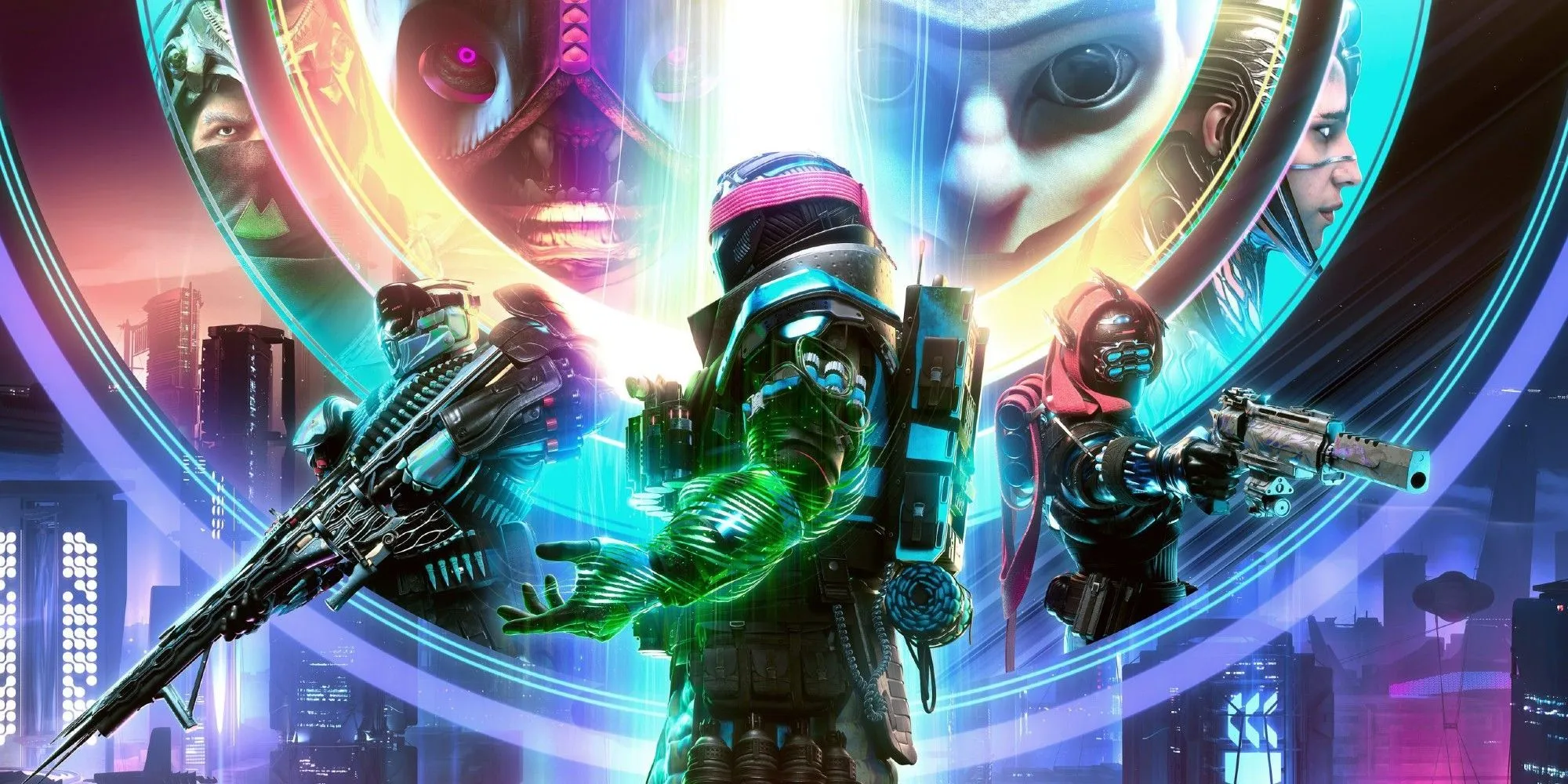
The fall of Lightfall back in 2023 still haunted the community. What was supposed to be the climactic chapter leading to the Final Shape ended up as a narrative misstep, leaving players bewildered rather than inspired. Since then, Bungie had worked tirelessly to patch the cracks, but every fix seemed to spawn a new problem. The engine, the ancient Tiger engine that had powered the franchise since its inception, was now visibly straining. Developers, according to insiders, cursed its inflexibility behind closed doors. A tweet from a well-known community podcast simply stated, "Unpopular opinion: Destiny 3 needs to happen." Within hours, it had become a rallying cry.
Why had this idea gained so much traction now? For one, the technical debt was impossible to ignore. A streamer named ZayOsiris Gaming captured the mood perfectly: "The cracks are becoming more & more noticeable — every day. Let’s hope they’re having some internal discussions on how to go about D3 or ways to stabilize the current system." His words echoed through livestreams and fan commentary, turning a niche complaint into a mainstream debate. Could Bungie really keep plugging holes in a sinking ship when a new vessel might be the better answer?
But the desire for Destiny 3 wasn’t just about fixing bugs. It was about rediscovering wonder. Veteran players recalled the awe they felt when they first set foot on the Moon in the original Destiny, a sensation that had gradually faded as the sequel piled on expansions. The lore had become tangled, the inventory systems bloated, and the newcomer experience almost hostile. Starting over with a clean slate, many argued, could bring back that magic—if Bungie learned from past mistakes. The community feared a repeat of Destiny 2’s barebones launch, where content was thin and the endgame hollow. "I honestly wouldn’t mind a D3 if they don’t launch it completely barebones like D2 was," insisted a player named suttn, his frustration evident.
Yet, not everyone was ready to leave their vaults behind. There were Guardians who had carried the same character for nearly a decade, perfecting builds that represented thousands of hours of dedication. Andrew Ols, a lore enthusiast, admitted, "Never had so much fun playing the same character lasting years building them out, and the idea of a Destiny 3 reset makes me want to throw up." His fear was a common one: would a sequel erase the very identity players had forged? Would they have to say goodbye to their beloved Gjallarhorn, their emblem of perseverance, all over again? For many, the emotional attachment to their journey outweighed the technical grievances.
The debate grew more complex when one considered the live service landscape of 2026. Destiny 2 was still the game every competitor wanted to be, a persistent world that blended shooter mechanics with MMO depth. Bungie had weathered storms before—the dark days of Curse of Osiris seemed like ancient history now. But the gaming industry had changed. New titles had emerged with more flexible engines and more transparent monetization. If Bungie didn’t act, it risked losing not just engagement, but relevance. The unspoken question hung in the air: could the current game, with all its history and baggage, truly evolve fast enough to keep pace?
Bungie, for its part, remained silent. There were no hints of a third game in job listings or teasers, only the steady rhythm of seasonal content and desperate attempts to win back goodwill. Some analysts speculated that the studio was already prototyping something new under a codename, but no evidence surfaced. Meanwhile, the community kept debating, dividing into three camps: the "resetters" who wanted a clean break, the "reformers" who believed in fixing what already existed, and the weary many who simply didn’t want to lose their progress.
Perhaps the most telling sign of the turmoil was the rise of player-driven storytelling. In the absence of a satisfying direction from Bungie, fans began writing their own endings, crafting elaborate concepts for what Destiny 3 could be. One popular thread imagined a game that spanned multiple star systems, with a rebuilt engine that allowed seamless transitions between ground and space combat. Another proposed a true MMORPG experience with player housing and guild wars. The creativity was boundless, but it only highlighted the gap between what the audience craved and what they were getting.
As the sun set on another Iron Banner, Alex stared at his screen, contemplating his next move. He had been here before, during the droughts and the controversies, but this time felt different. The game didn’t just need a patch—it needed a rebirth. The question wasn’t whether Destiny 3 would happen, but whether Bungie would have the courage to build it before the playerbase scattered to other galaxies. After all, in a universe filled with loot and legends, the only thing harder than starting over is staying still while the world moves on.