Destiny’s Loot Obsession: The Blueprint That Changed AAA Games Forever
Destiny's live-service model and color-coded loot system revolutionized AAA gaming, shaping player retention and progression trends.
Back in 2014, Bungie dropped a game that felt like a half-baked marvel. The gunplay was crisp, the visuals stunning, but the story was a mess and the endgame was a soul‑crushing grind. Fast‑forward to 2026, and that very title – Destiny – has aged into one of the most influential live‑service juggernauts the industry has ever seen. Even though the Lightfall expansion is now a distant memory and the saga has largely wrapped its primary arc, the DNA of Destiny is woven so deeply into the fabric of AAA gaming that you can’t fire up a new blockbuster without tripping over its legacy.
It’s no secret that Bungie eventually found its groove. After a lukewarm launch, The Taken King and a full‑blown sequel turned the franchise into a loot‑grind symphony. Our very own Eric Switzer has waxed poetic about the game’s addictive loop, and millions of Guardians have lost entire weekends to raids and Nightfalls. The core idea was dead simple: equip loot, watch numbers go up, repeat the same activities with your fireteam until you’re max‑level, and then wait for the next season to hit the reset button. Bungie essentially threw down the gauntlet, and other devs scrambled to pick it up.
Here’s the rub, though. Destiny didn’t just popularise the live‑service model – it normalised a very specific, color‑coded loot system that now feels as ubiquitous as health bars. Purple is better than blue, gold beats purple, and the moment an enemy coughs up a slightly superior pair of boots, you’re diving into the menu to swap gear mid‑firefight. This breadcrumb trail of serotonin was pioneered in MMOs, but Bungie weaponised it for the console crowd. The result? A palpable sense of FOMO that keeps players logging in daily, terrified that skipping a week means missing out on that one exotic that would turn a brutal encounter into a cakewalk.

The ripple effects are staggering. You can barely name a major release from the past decade that didn’t borrow this playbook. Anthem, Remnant: From The Ashes, Cyberpunk 2077, Outriders, the entire Assassin’s Creed franchise post‑Origins, The Division, Far Cry, Warframe, Dying Light 2 – all of them lean heavily on rarity tiers and stat‑chasing. Even games that were never meant to be live‑service, like Marvel’s Avengers, slapped on a Destiny‑inspired loot skin and hoped nobody would notice. The philosophy had become so entrenched that by 2025, new IPs were being greenlit almost exclusively if a developer could point to a “loot‑driven progression” slide in their pitch deck. It’s the real deal: player retention often hinges less on whether a game is genuinely fun and more on whether you’re stuck in a never‑ending cycle of risk, reward, and the faint promise of a god‑roll drop.
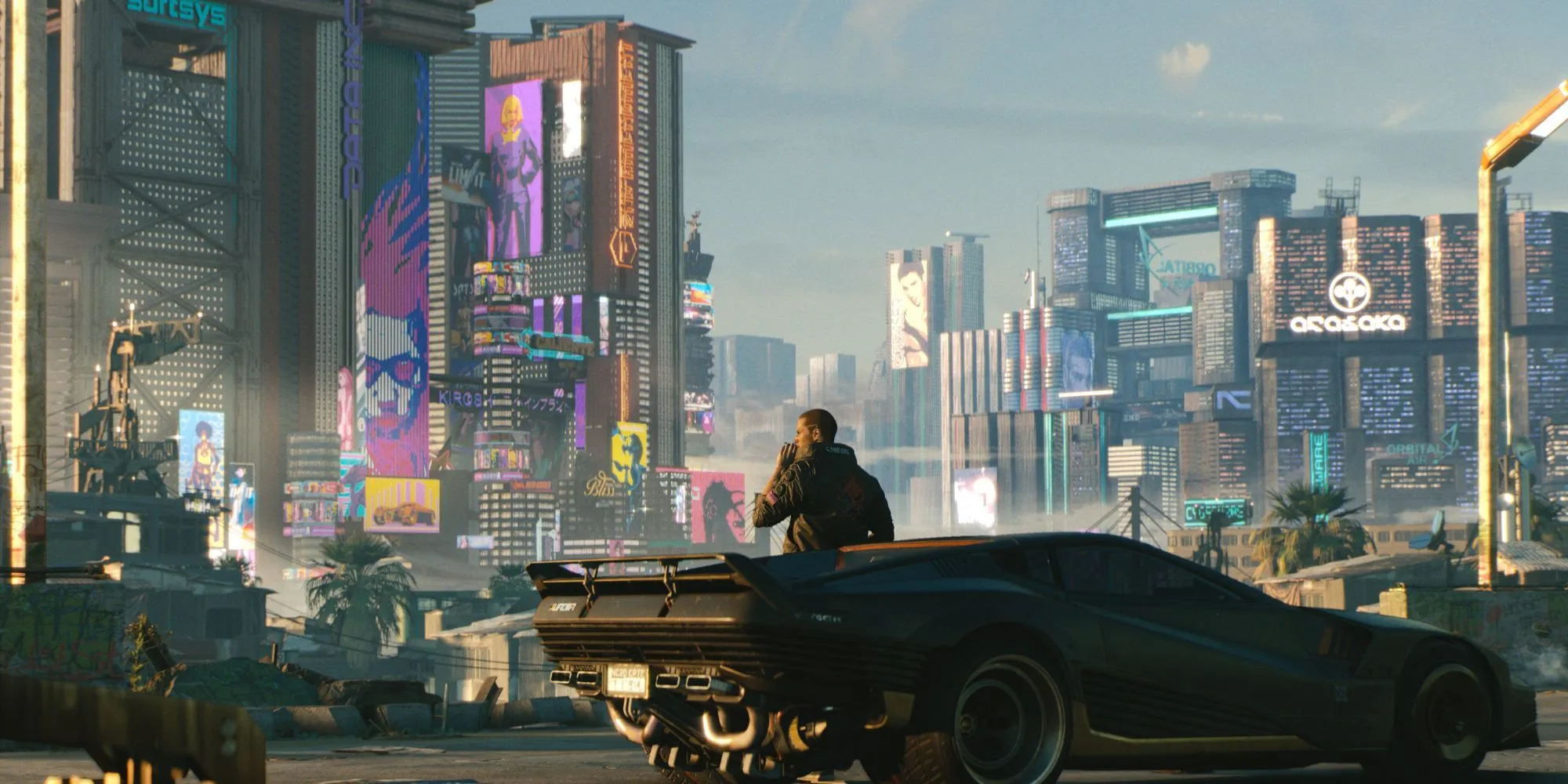
The irony is that this system, for all its psychological pull, can feel like a fleeting sugar rush. In single‑player RPGs, every piece of gear you collect carries a sense of permanence – your saved data is a museum of your journey. But in live‑service land, your vault full of purples and exotics is always at the mercy of the next patch. A weapon you spent 50 hours chasing might be sunset into oblivion because the meta shifted overnight. Bungie normalised not just the loot itself, but the impermanence of it, training an entire generation of players to accept that their digital treasures could be rendered worthless with a single update. The warm, fuzzy feeling of a gold‑lined inventory? It has a half‑life, and it’s shorter than you think.
Yet you can’t fully blame Bungie for cracking the code. Humans are wired to crave reward for minimal effort, and few things scratch that itch better than hearing the chime of a legendary engram drop. The studio took a psychological truth and built an empire on it. By 2026, you’d be hard‑pressed to find a big‑budget game that doesn’t employ some flavor of color‑coded, tier‑based loot – and that ship sailed a long time ago. We’re all chasing the next purple drop, and Destiny is the reason we can’t stop.