Destiny 2 Solstice: Event Cards, Armor Upgrading, and the EAZ Explained
Destiny 2 Solstice 2022 rebuilt the event with the Event Card and Armor Upgrading, turning summer chaos into structured progression.
Summer in Destiny 2 has always carried a certain smell of gunpowder and lemonade, and no event captures that odd combination better than Solstice. The limited-time celebration returns year after year, pulling Guardians out of raids and into the sunlit chaos of the European Aerial Zone while the Tower dresses itself in glowing decorations. When Bungie launched the 2022 edition on July 19 at weekly reset — 10 am PT / 1 pm ET / 5 pm UTC / 6 pm BST / 7 pm CEST — the studio did more than flip a seasonal switch. It quietly rebuilt the skeleton of the event, and the bones it installed back then still shape how Solstice plays today.
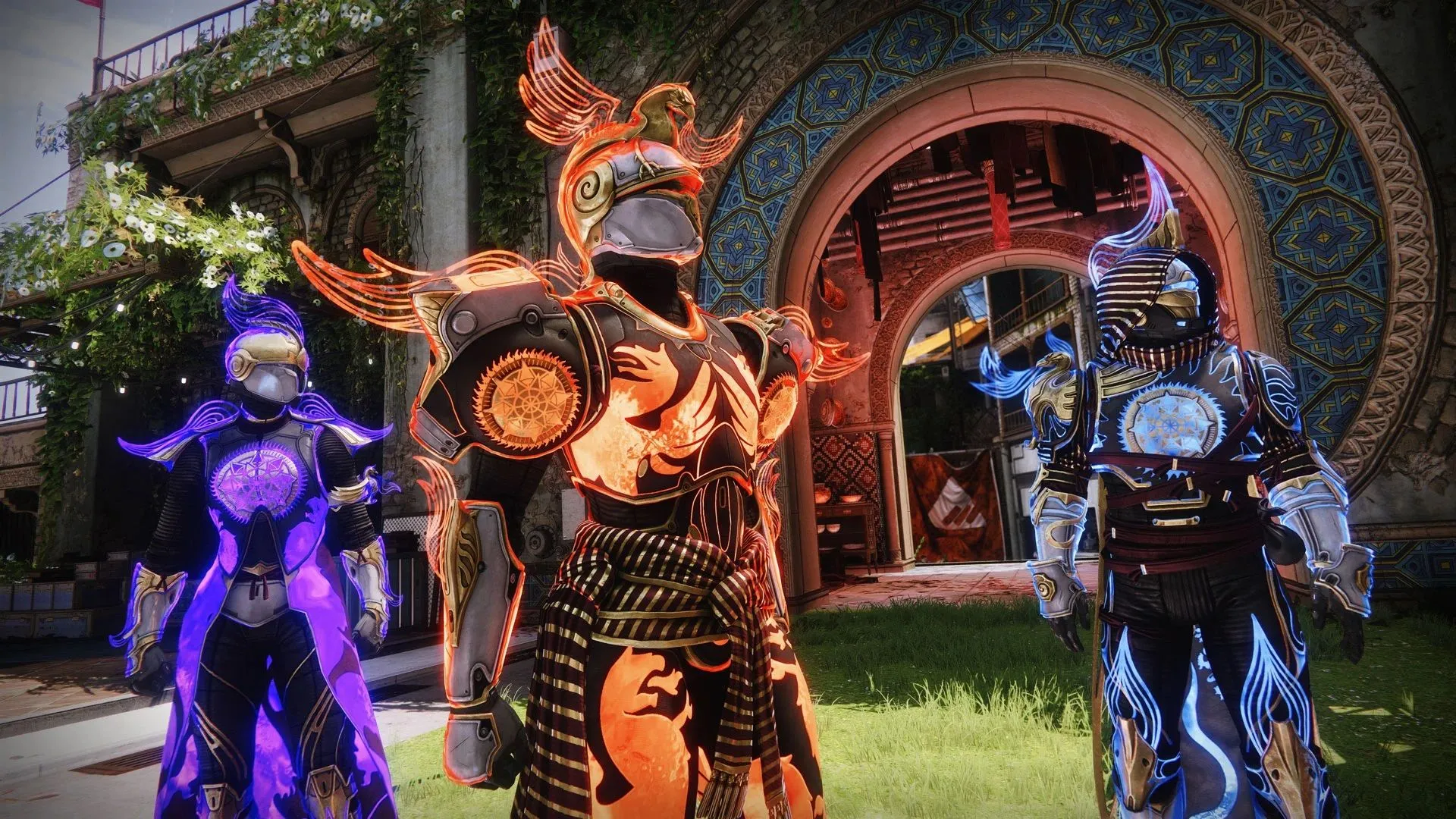
The Two Systems That Changed Everything
Before that summer, Solstice was mostly a matter of grinding a single activity and hoping for decent rolls. Bungie replaced that loop with two interconnected systems: the Event Card and the Armor Upgrading experience. Neither was a cosmetic afterthought. Together they turned a two-week distraction into a structured progression path with its own economy, its own challenges, and its own reward cadence.
🎟️ The Event Card
The Event Card functioned as a compact, event-themed battle pass. It lived inside the Director, which meant players no longer had to guess what they had already accomplished or what remained untouched. Everything sat in one readable panel.
-
Special challenges rotated through the event window
-
Completing a challenge awarded Event Tickets
-
Tickets were spent to unlock additional tiers and rewards
-
Upgrading the card opened access to new cosmetic and material payouts
It was, in essence, a tracker and a to-do list fused into one interface — a small quality-of-life decision that had an outsized effect on how players paced themselves.
🛡️ Armor Upgrading
The second system was more ambitious. Instead of handing out a single set of gear and calling it a day, Bungie built an upgrade path that required Solstice-themed currencies, each tied to a different activity. Players collected them, spent them, and gradually shaped their armor toward the stats and rolls they actually wanted.
The design intent behind splitting the grind across multiple currencies was deliberate. Bungie wanted Guardians to chase the specific resource tied to the specific upgrade they cared about, rather than hoarding one universal token. The consequence? Difficulty became a choice. A modest upgrade could be earned in an afternoon. A fully optimized set demanded patience, planning, and a willingness to run the same activity more times than most people care to admit.
| Element | What It Does | Player Impact |
|---|---|---|
| Event Card | Tracks challenges, grants Event Tickets | Clear progression, no guesswork |
| Event Tickets | Unlock tiers and rewards | Rewards active participation |
| Solstice Currencies | Fuel armor upgrades | Player-directed grinding |
| EAZ Activity | Primary event playlist | Core source of currency and loot |
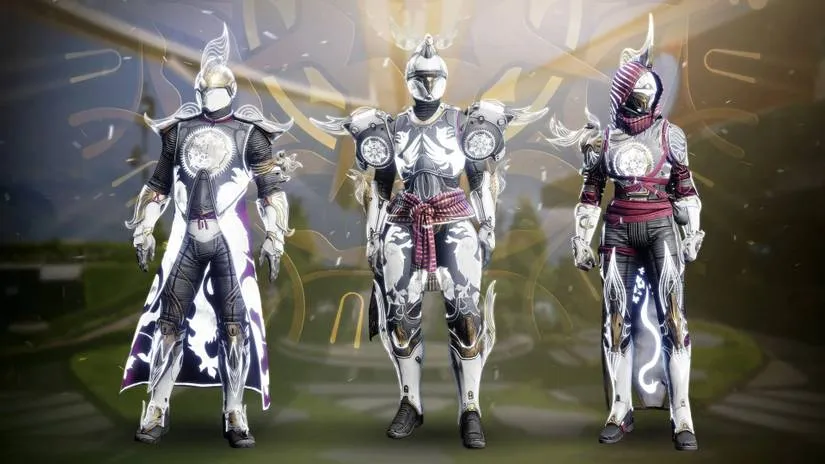
The European Aerial Zone, Revisited
Bungie also refined the European Aerial Zone, the floating island playground that anchors the event. The developer was famously tight-lipped about the specifics at the time, offering no detailed breakdown of what had changed. What players discovered on their own was a space that rewarded movement, map awareness, and a bit of greed — the kind of greed that convinces someone to chase one more chest before the timer expires.
The EAZ has remained the heartbeat of Solstice ever since. It is where the currencies flow, where fireteams test new builds, and where the event's identity feels most concentrated.
Why It Still Matters in 2026
Seasons come and go, sandboxes get rewritten, and weapon metas collapse under their own weight. Yet the architecture introduced during that summer — a tracked challenge card paired with a currency-driven armor chase — has proven durable. Later iterations of Solstice refined the numbers, adjusted the currencies, and expanded the reward pools, but the underlying philosophy held firm: give players a visible path, then let them decide how hard to sprint down it.
For anyone returning to the event this year, the practical advice is straightforward:
-
Read the Event Card first. Knowing which challenges remain prevents wasted hours.
-
Pick a target upgrade. Deciding on a goal before grinding keeps the currency spend efficient.
-
Bank tickets early. Unlocking tiers sooner means more rewards working in the background.
-
Squad up in the EAZ. Coordinated teams clear objectives faster and collect more per run.
-
Don't chase perfection on day one. Solstice rewards consistency far more than panic.
Summer events in live-service games often blur together, interchangeable and forgettable. Solstice stands apart because it asked players to think about how they wanted to grind, not just how much. That distinction, first drawn during a July reset years ago, continues to define the celebration today. ☀️