Bungie vs. Cheat Sellers: A 2026 Legal Raid
Bungie’s lawsuit against Destiny 2 hackers at AimJunkies lost copyright claims, but trademark and false-origin claims survive.
Bungie did not declare war on Destiny 2 hackers with a sternly worded tweet and a disappointed Guardian frown. It went to court. Over the years, the studio has chased multiple cheat providers — Perfect Aim, Elite Tech Boss, Lavicheats, and VeteranCheats — through the legal equivalent of a raid, and it has even joined forces with other publishers for class-action lawsuits against cheat sellers. The results have mostly been satisfying for Bungie: those storefronts either pulled their Destiny 2 hacks or vanished from the internet entirely. One target, however, refused to be a simple loot drop.
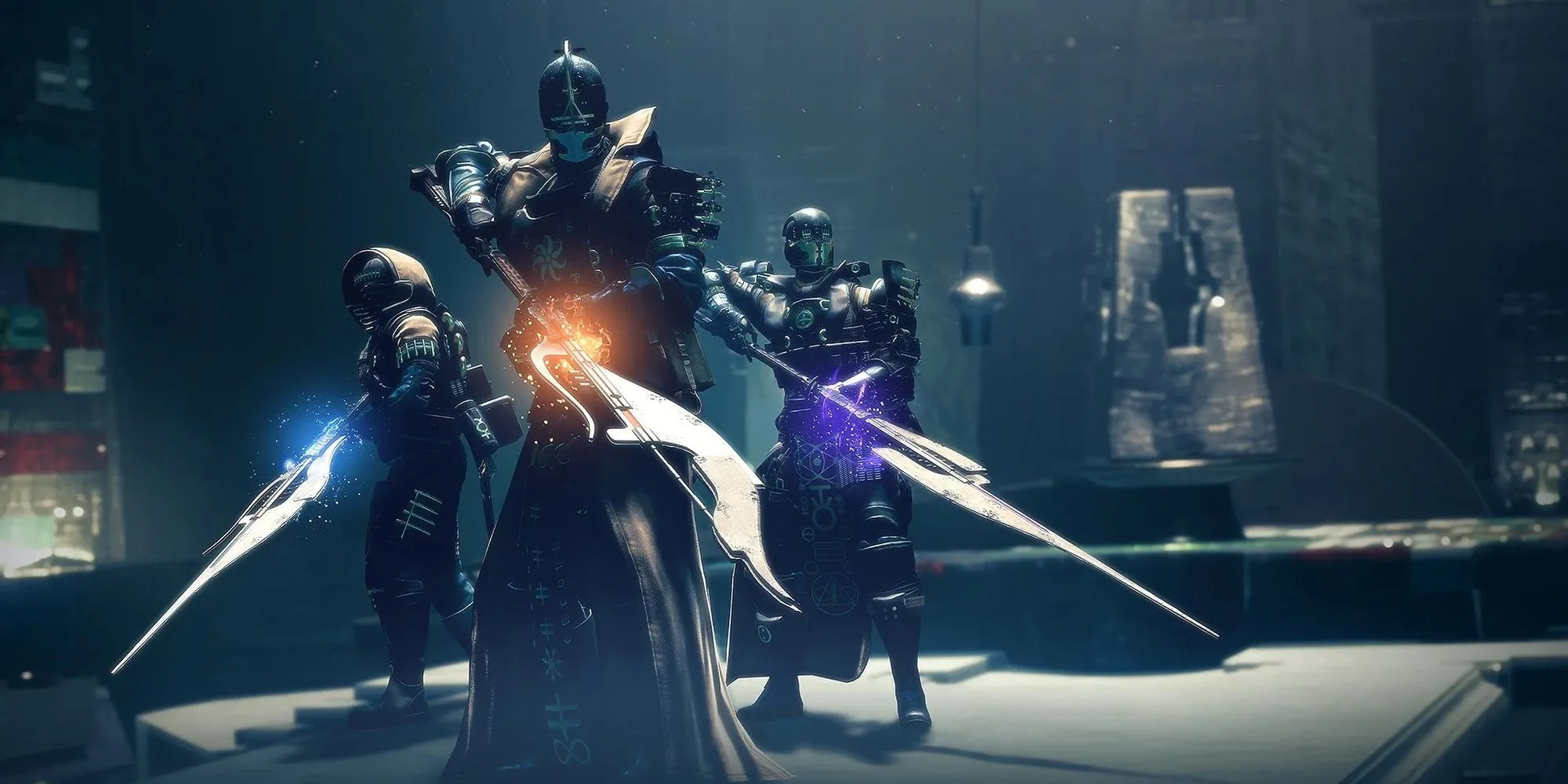
AimJunkies.com, run by Phoenix Digital Group, became the stubborn boss encounter. Bungie sued in Seattle court, and AimJunkies quickly removed the Destiny 2 hacks and even talked settlement. Then Bungie moved for summary judgment, and AimJunkies fired back with a motion to dismiss. The cheat seller argued its software did not use any Destiny 2 code, so copyright infringement was a bad fit. For the other claims — breach of contract, tortious interference, unjust enrichment — AimJunkies pointed at Bungie’s own license agreement and said those belonged in arbitration.
U.S. District Court Judge Thomas Zilly largely agreed. The judge dismissed Bungie’s copyright claims, saying Bungie had not pleaded facts explaining how the cheat software was an unauthorized copy of the copyrighted works. The complaint, he suggested, needed more than a “formulaic recitation of the elements of a cause of action.” In plain Guardian terms: pointing at a cheat menu and shouting “copyright!” is not enough; the lawsuit has to explain the actual copying. That ruling gave AimJunkies a rare win in a genre where cheat sellers usually exit stage left before the judge even finds a gavel.
But this was not a full wipe for Bungie. Judge Zilly allowed the trademark infringement and “false origin” claims to proceed, saying they were valid enough to go to trial. The ruling also left the door open for Bungie to amend its complaint and refile. So the legal raid did not end with a triumphant loot chest; it ended with a “please try again with more specific facts” pop-up. Bungie could still appeal by sharpening its paperwork, which is the legal version of rerunning a nightfall with a better loadout.
| Target | Bungie’s move | Result so far |
|---|---|---|
| Perfect Aim | Court action | Destiny 2 hacks removed or storefront taken down |
| Elite Tech Boss | Court action | Destiny 2 hacks removed or storefront taken down |
| Lavicheats | Court action | Destiny 2 hacks removed or storefront taken down |
| VeteranCheats | Court action | Destiny 2 hacks removed or storefront taken down |
| AimJunkies / Phoenix Digital Group | Lawsuit, summary judgment push | Copyright claims dismissed; trademark and false-origin claims survive; other claims steered toward arbitration |
The AimJunkies fight also has a delightfully messy subplot: Bungie has been tangled in a separate legal scrap over a fraudster sending fake copyright claims against Destiny 2 providers. It is the kind of story that makes a normal lawsuit look tidy. A cheat seller says it copied nothing, a publisher says its game was copied anyway, a judge asks for actual facts, and somewhere in the background someone is apparently filing fake copyright claims like a troll spamming report buttons. The Destiny 2 legal saga is less a single courtroom drama and more a live-service raid with rotating mechanics.
By 2026, the episode still reads as a useful cautionary tale. Going after cheat sellers is not one boss fight; it is a campaign with different legal damage types. Copyright claims need concrete proof of copying. Contract claims may get pulled into arbitration by the publisher’s own terms. Trademark and false-origin arguments can survive when the facts line up. And even a cheat provider that removes its hacks can still leave behind a pile of motions, rulings, and appeals for everyone to sort through.
For Bungie, the broader war has been effective: several cheat providers folded, removed Destiny 2 products, or lost their storefronts. For AimJunkies, the copyright dismissal was a tactical victory, not a final cutscene. For players, the lesson is simpler: the next time a suspicious Guardian snaps onto every head with robotic precision, remember that the fight against cheating is happening in courtrooms as well as lobbies. The legal team may not wield a glaive, but it definitely knows how to file a motion. 🛡️⚖️