Sony, Bungie, and the Multiplatform Plot Twist Nobody Saw Coming
Sony's Bungie multiplatform strategy keeps Destiny 2 transmedia in play, balancing autonomy with live-service expansion.
Sony has spent years playing the role of the cool kid who refuses to share the toys. PlayStation built a walled garden, charged admission for crossplay, and treated same-day PC releases like a rumor from a distant galaxy. Gamers grumbled. Sony shrugged. The house always wins, right? Then came the Bungie plot twist, and suddenly the walled garden got a suspiciously large door in it.
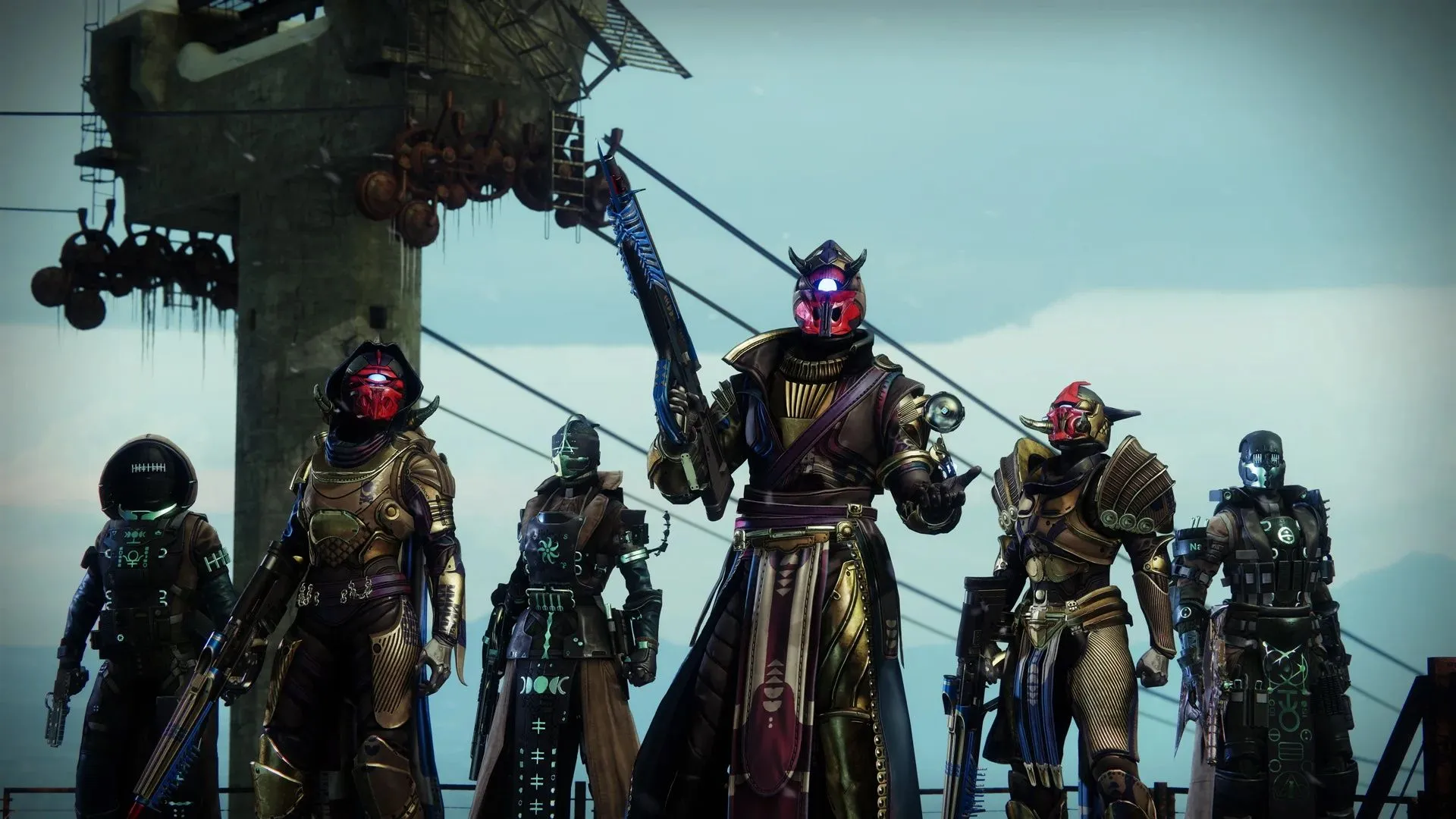
Back in 2022, Sony CEO Kenichiro Yoshida told a corporate strategy meeting that Bungie would be a catalyst for live game services and a major step toward becoming more multiplatform. That is corporate-speak for 'we bought a live-service cash cow and we would like to milk it across every screen that has Wi-Fi.' In 2026, the statement still reads like a fortune cookie with a business degree: vague, slightly ominous, and weirdly accurate.
Bungie, meanwhile, did not arrive as a captive studio. The purchase agreement gave the Destiny 2 maker an exceptional amount of autonomy. Destiny 2 would stay on every platform where it already lived, and Bungie kept the rights to publish future games wherever it pleased. Translation: Bungie got a hall pass, and Sony got a very expensive seat at the live-service table. It is not exactly a mic drop for console exclusivity, but it is a big-brain move for a company that wants to have its cake and eat it too.
The real tell came from Sony financial director Hiroki Totoki, who said Bungie wants to nurture its IP in a multidimensional manner. That is the kind of phrase that makes accountants nod and gamers squint. In plain English, Sony Pictures and Sony Music could help turn Guardians into popcorn, playlists, and maybe a prestige TV drama about a Ghost with trust issues. Bungie has reportedly been hiring people with TV and film experience, including a former Riot animation director. So the long game is not just about putting Destiny 2 on more consoles. It is about putting Destiny everywhere, including the parts of the entertainment universe that do not have a controller.
Here is the scoreboard, 2026 edition:
| The pitch | The fine print |
|---|---|
| Sony becomes more multiplatform | Mostly through live-service and transmedia, not a same-day Steam bonanza |
| Bungie keeps autonomy | Destiny 2 stays put, and future Bungie games can roam |
| IP gets nurtured 'multidimensionally' | Sony Pictures and Sony Music may turn Guardians into popcorn and playlists |
That is a canny bit of corporate chess. Sony gets to look flexible without fully abandoning exclusivity, and Bungie gets to keep its reputation as the studio that does not want to be handcuffed to one box. The catch is that 'multiplatform' is a broad church. It can mean day-one PC releases, it can mean mobile spin-offs, or it can mean a Destiny cereal commercial. Sony has not promised the whole buffet, just a few very profitable dishes.
Then there was the PR migraine. After the US Supreme Court leak threatened abortion rights, Bungie offered support for women's abortion rights. PlayStation CEO Jim Ryan reportedly told staff to 'respect differences of opinion' and sent a memo saying the company would not approve statements supporting Roe v. Wade. Cue the awkward silence. It was corporate parenting at its most cringe: one child handing out protest signs while the parent quietly hides the printer. The episode did not erase the multiplatform strategy, but it did remind everyone that a company can be bold about business and timid about politics at the same time.
So what does 2026 make of all this? The smart money says Sony's multiplatform future is a live-service buffet, not an all-you-can-eat same-day Steam party. Bungie is the test case. If Destiny 2 keeps humming and future Bungie projects spread across screens, Sony gets to look flexible without fully giving up the exclusivity game. If it flops, the walled garden will get a few more locks and a very stern sign about sharing. Either way, the Bungie deal was never just about one shooter. It was about Sony learning to share, or at least learning to charge for sharing.
For gamers, the lesson is simple: watch the fine print, enjoy the show, and never assume a console war is over. The house always wins, but every now and then it opens a window. And in 2026, that window looks a lot like a Destiny Ghost floating through it, waving a Sony Pictures contract and humming a live-service tune. 🎮✨