Bungie's Marathon Faces Fan Backlash Over Hero System Shift and Leadership Changes
Bungie's highly anticipated *Marathon* revival faces intense scrutiny as its pivot to a hero-based system sparks a divisive debate among fans, raising concerns about its identity and direction.
As we move into 2026, the gaming community's eyes remain fixed on Bungie's upcoming revival of its classic IP, Marathon. The developer, no stranger to controversy after the Lightfall expansion's reception and subsequent layoffs, finds its new extraction shooter once again at the center of a storm. What was initially met with a mix of hype and skepticism over its genre has now evolved into a full-blown debate following a significant design pivot and revelations about its development leadership. Fans are left scratching their heads, wondering if Bungie can stick the landing this time or if this project is destined to become another cautionary tale.
A Rocky Road from Reveal to Redirection
Marathon was first officially unveiled by Bungie back in May 2023, positioned as one of several key projects slated for release before the end of 2025. The announcement that it would be an extraction-based shooter—a genre popularized by titles like Escape from Tarkov—immediately divided the fanbase. Some saw it as a fresh, bold move for Bungie; others felt it was a strange departure. Early reports suggested Bungie had even shown the game to hardcore Tarkov players for feedback, a move that apparently didn't resonate as hoped. Fast forward to now, and the game's vision has undergone what many are calling a dramatic U-turn.
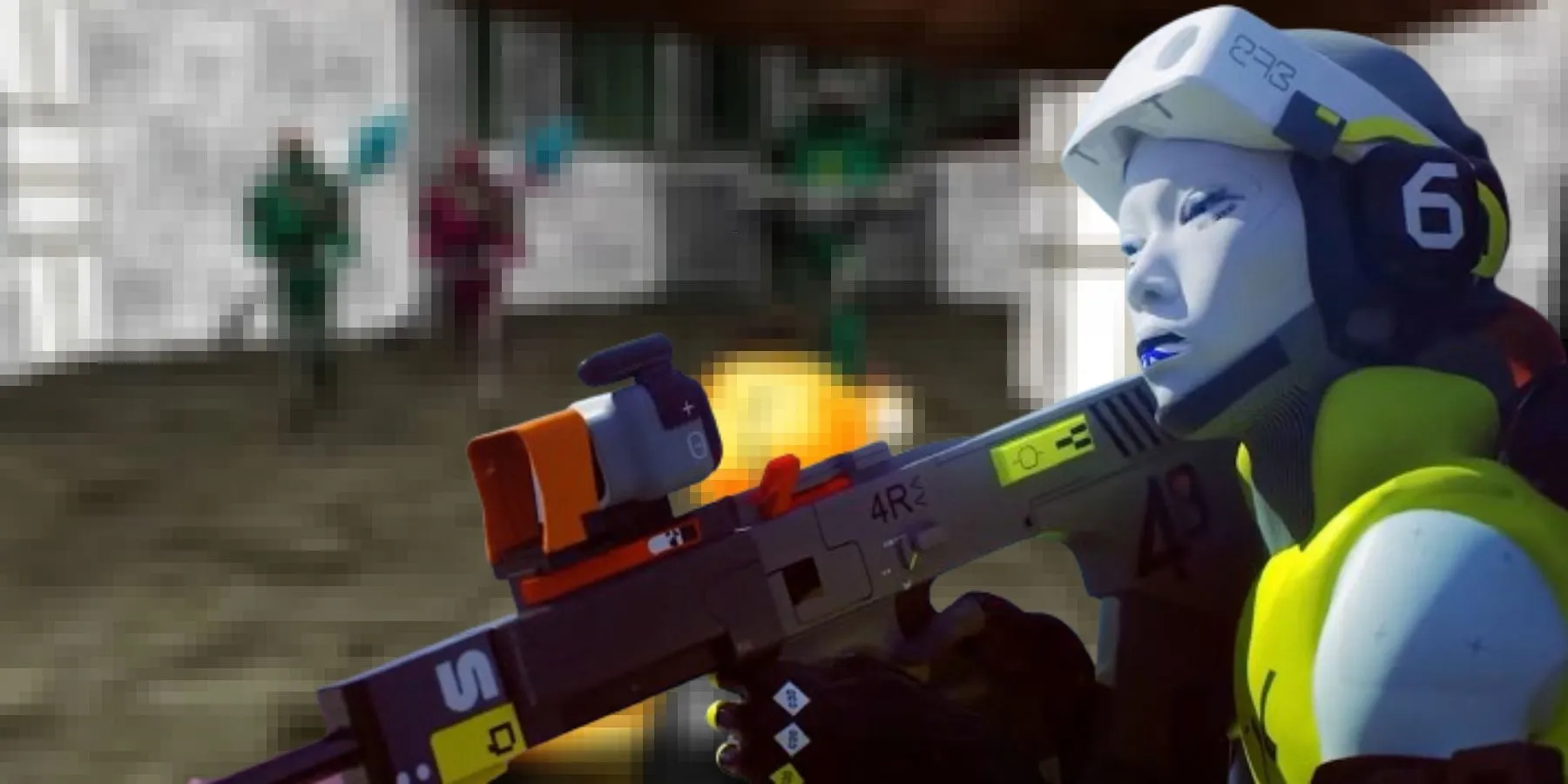
The core of the latest controversy stems from a social media announcement by Joe Ziegler, the former Game Director for Valorant. Ziegler revealed he has been at the helm of Marathon for the past nine months. Alongside this news came reports, later confirmed by various sources, that the game is shifting from a system with a fully customizable player character to a hero-based system featuring a selectable cast of predetermined characters. This news, frankly, did not land well. 😬
Fan Reaction: From Skepticism to Outright Dismay
The community's response on social media platforms has been overwhelmingly negative. For many, this change feels like a betrayal of Bungie's own legacy and audience expectations. Let's break down the main points of contention:
-
Loss of Identity and Customization: Bungie's flagship, Destiny 2, is built on deep character customization. The gameplay loop heavily involves earning unique armor, cosmetics, and crossover items. Moving to a fixed hero system, reminiscent of games like Apex Legends or Valorant, feels like a 180-degree turn. Players are asking, "Why fix what isn't broken?" The ability to "make it your own" is a huge part of Bungie's appeal, and abandoning that for Marathon seems like a staggering choice.
-
Genre Identity Crisis: The extraction shooter genre often thrives on player-driven narratives and the anonymity of your operator. Shifting to named heroes could fundamentally alter the tension and immersion the genre is known for. Fans who were already on the fence about the extraction mechanics now have a whole new reason for concern.
-
Leadership and Vision Whiplash: The timing of Ziegler's appointment raises questions. The initial reveal trailer in May 2023 was presumably under the direction of Christopher Barrett. If Ziegler took over nine months ago (around June 2023), it suggests a major leadership change happened very early. This leads to inevitable speculation:
-
Did the rumored Tarkov player playtests happen under Barrett or Ziegler?
-
Was this hero-system shift a directive from the new leadership?
-
What does Barrett's current role at Bungie entail, if he's no longer leading Marathon or other known projects like Gummy Bears?
-
This whiplash in creative direction has left the community feeling uncertain about the project's stability and final vision.
What This Means for Marathon's Future
While a hero-based system isn't inherently bad—Valorant and Apex Legends are titans of their genres—its success hinges entirely on execution. For Bungie's audience, however, this feels like an odd fit. The table below summarizes the key shifts and fan concerns:
| Aspect | Original Perception (2023) | New Direction (2026) | Primary Fan Concern |
|---|---|---|---|
| Character System | Customizable "Runner" (like Destiny) | Selectable Hero Cast (like Apex Legends) | Loss of personal investment & cosmetic drive |
| Genre Foundation | PvPvE Extraction Shooter | PvPvE Extraction Shooter (with heroes) | Potential clash between hero abilities & extraction tension |
| Creative Leadership | Christopher Barrett (Assumed) | Joe Ziegler (Valorant vet) | Vision whiplash & departure from Bungie's RPG roots |
| Audience Appeal | Targeting Destiny fans & extraction enthusiasts | Unclear; potentially chasing Valorant/Apex market | May alienate the core Bungie community waiting for a spiritual successor |
The big question now is: can Bungie make this work? The developer is clearly in a tough spot. They need to innovate and capture a broad market, but they also risk alienating their dedicated fanbase. The success of this pivot will depend on a few critical factors:
-
How heroes are implemented. Are they simply skins with different hitboxes, or do they have unique abilities that could break the careful balance of an extraction shooter?
-
The monetization model. Will cosmetics be tied to heroes, limiting expression compared to Destiny's system?
-
Communication. Bungie needs to spill the tea and clearly explain the vision behind this change with substantive gameplay reveals.
For now, the ball is in Bungie's court. The Marathon revival has gone from a nostalgic return to a high-stakes gamble. Only future trailers and, ultimately, the game's release will reveal if this controversial shift was a masterstroke or a misstep. One thing's for sure: in 2026, all eyes will be on Bungie to see if they can finally navigate their way out of the storm and deliver a hit.